“If I had asked people what they wanted, they would have said faster horses.”
Debate still rages whether Henry Ford really said this at all, but the fact remains that those Model Ts were soon flying out of his factory with the excited customers of 1908 apparently able to overlook the lack of prior consultation. But as we live with the environmental, social, and geopolitical impact of the Age of the Car, does the faster horse choice seem quite so naive?
During the COVID-19 pandemic, societies all over the world were willing scientists to go faster to develop a safe and effective vaccine to control a terrifying new threat. No one suggested we took time to talk about it. We trusted science to get it right. For all of us.
But should that be the case for all science all of the time? Should scientists engaged in discovery listen to the public more often, and much earlier, when they work on something that could affect the future we all share? Would that make the science better? Or slow it down? Would it lead to scientists being more trusted? Or less innovative?
As scientific and technological advance enables us to edit our genome, implant computers in our brains, and interact with our ‘digital twins’, isn’t it time we talked about it?
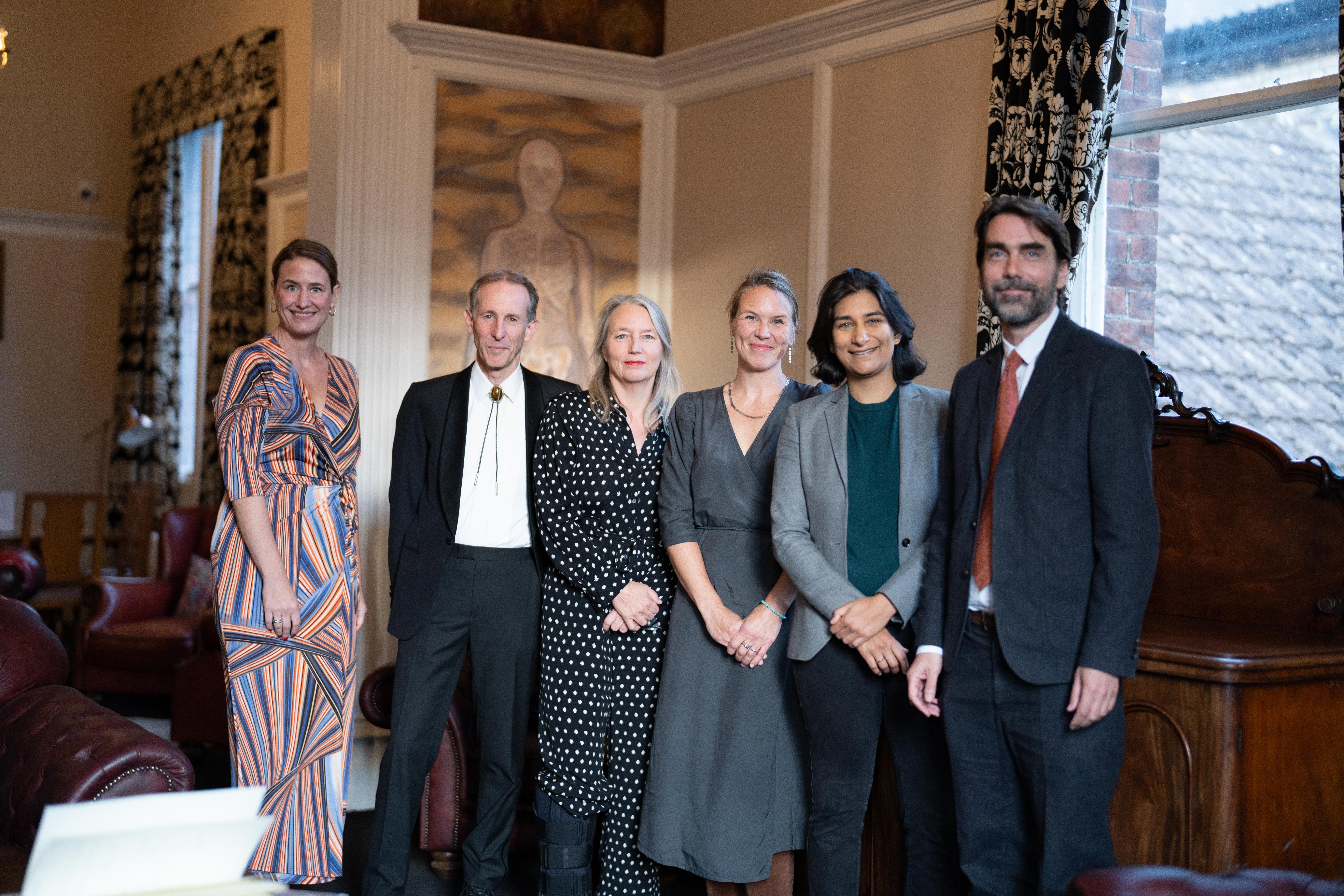
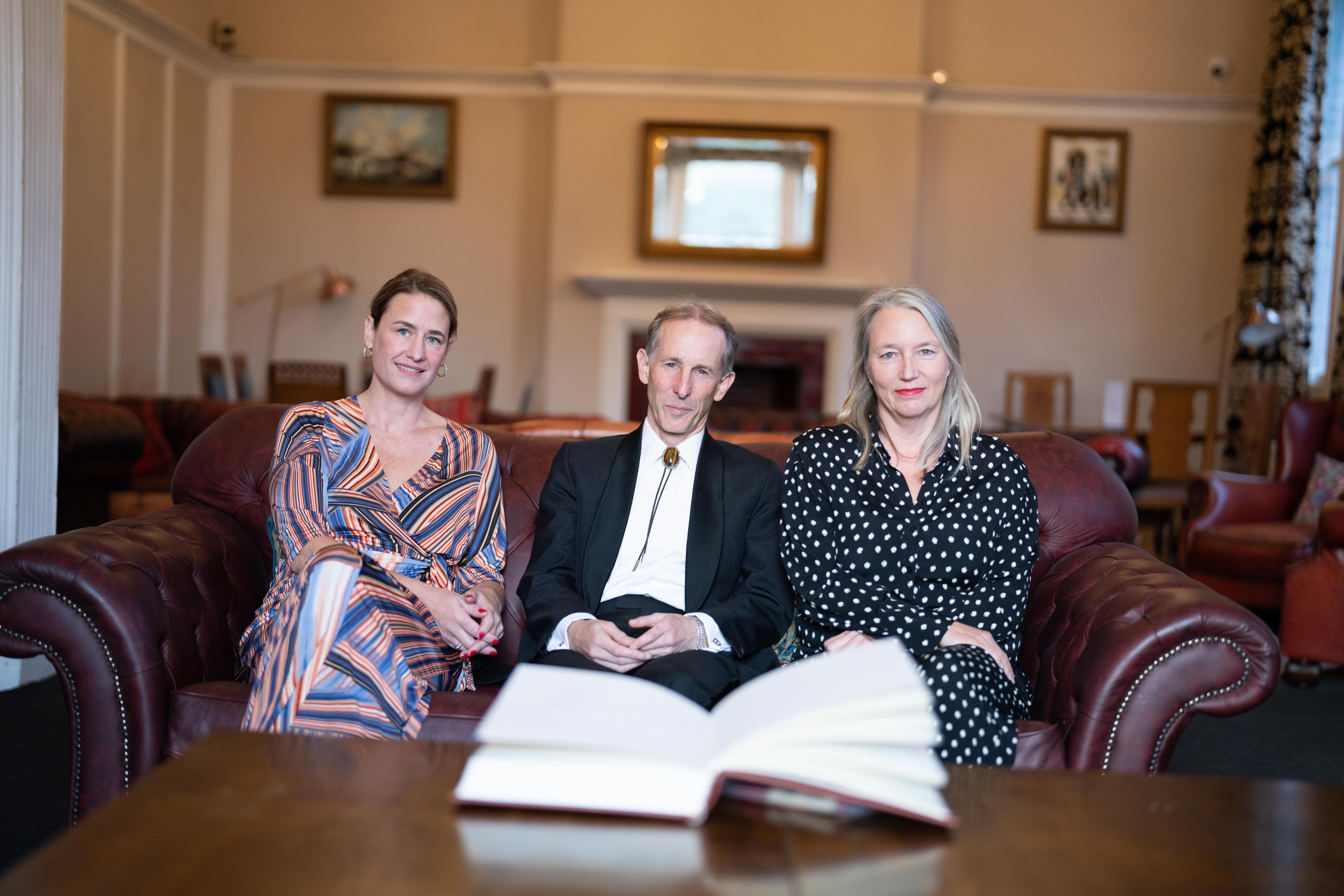
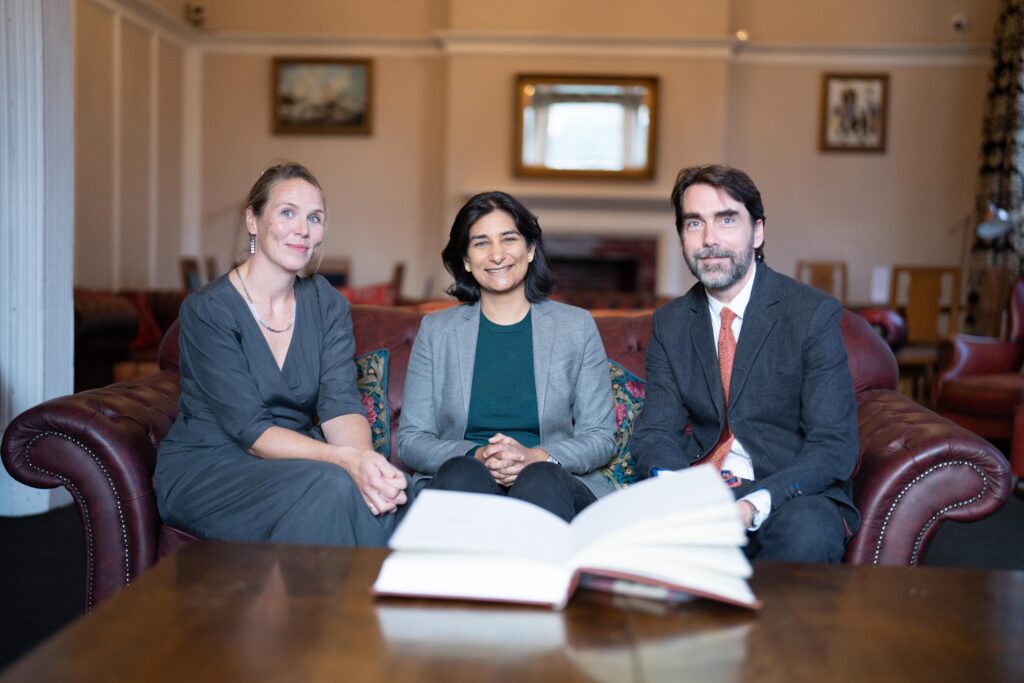
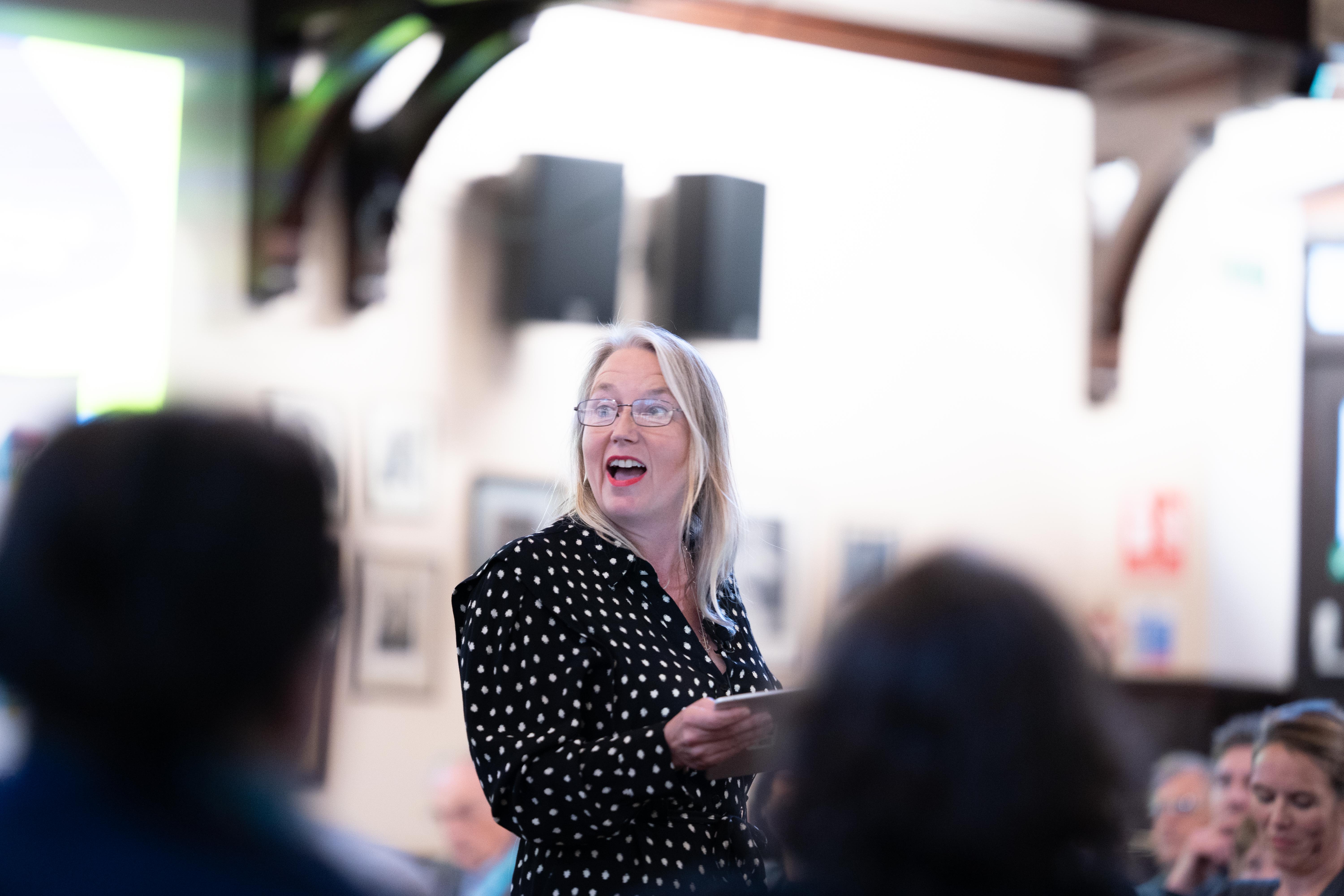
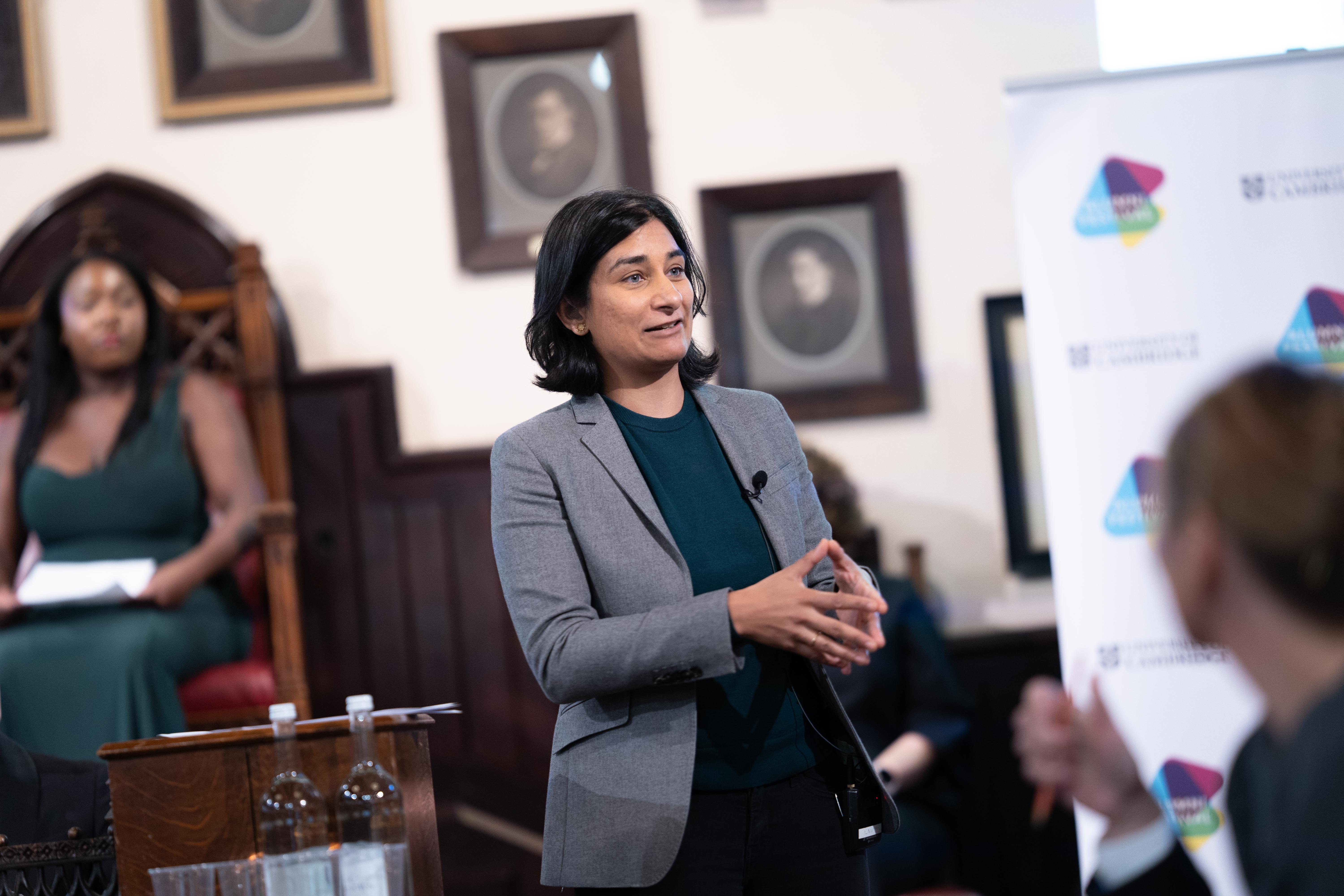
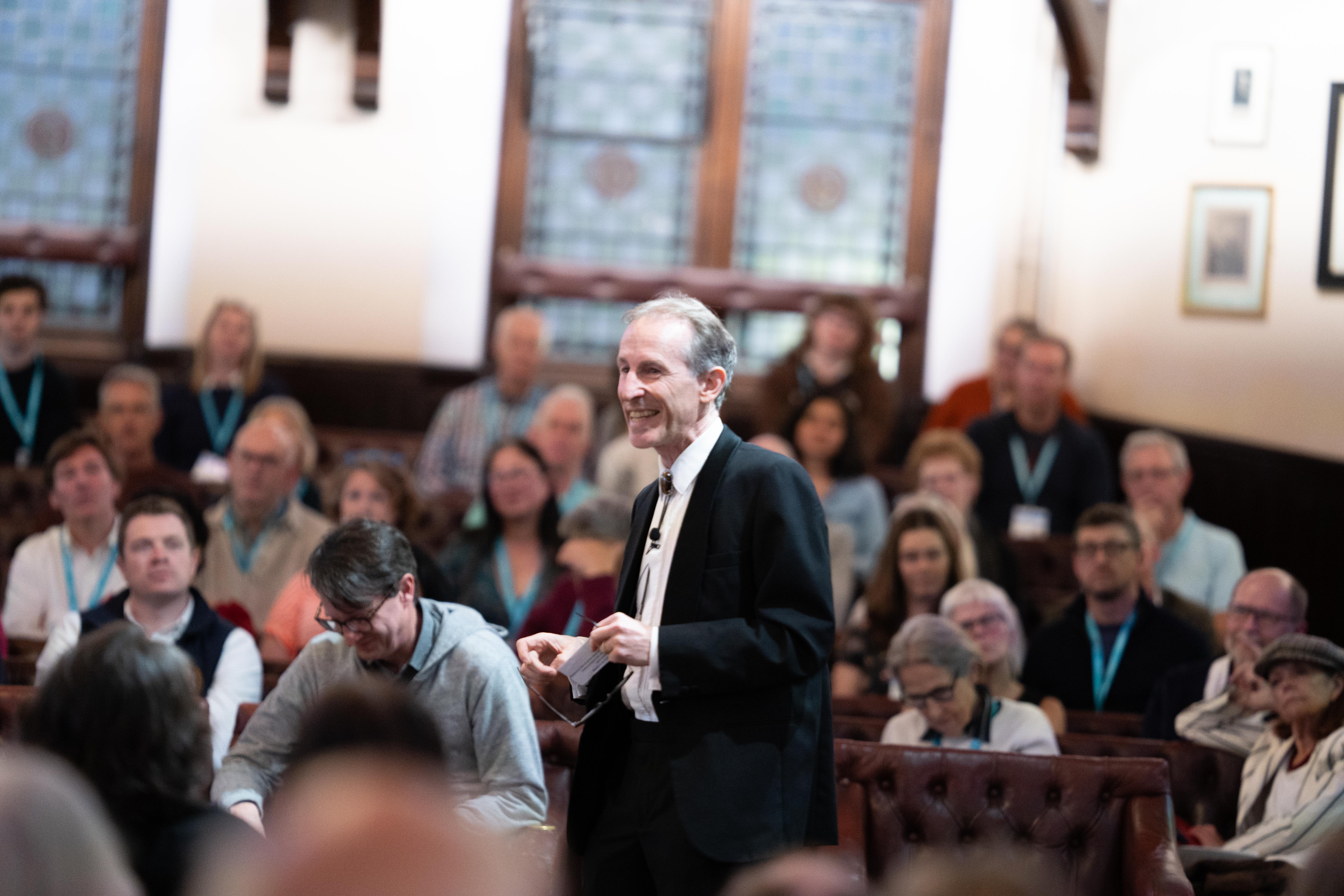
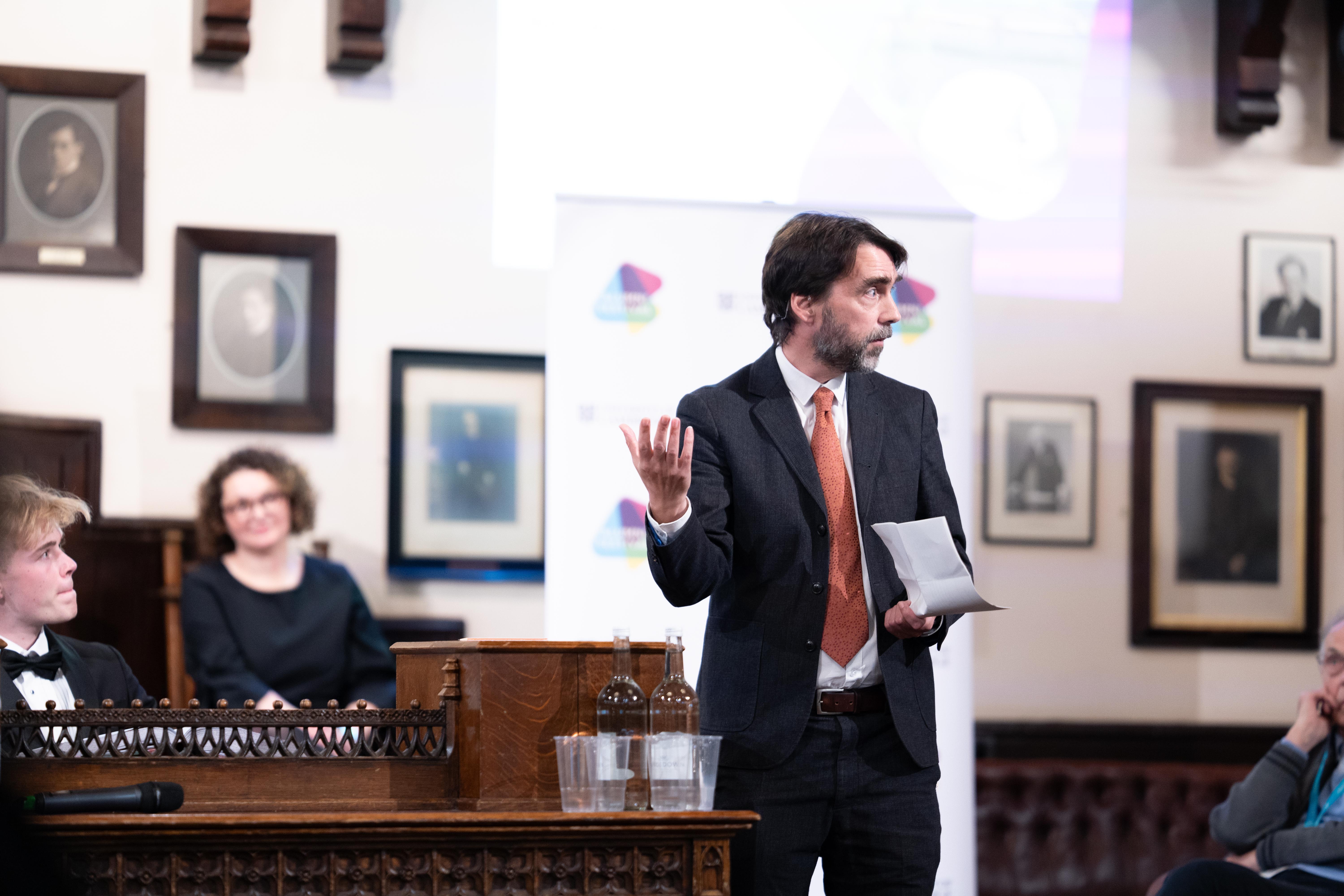
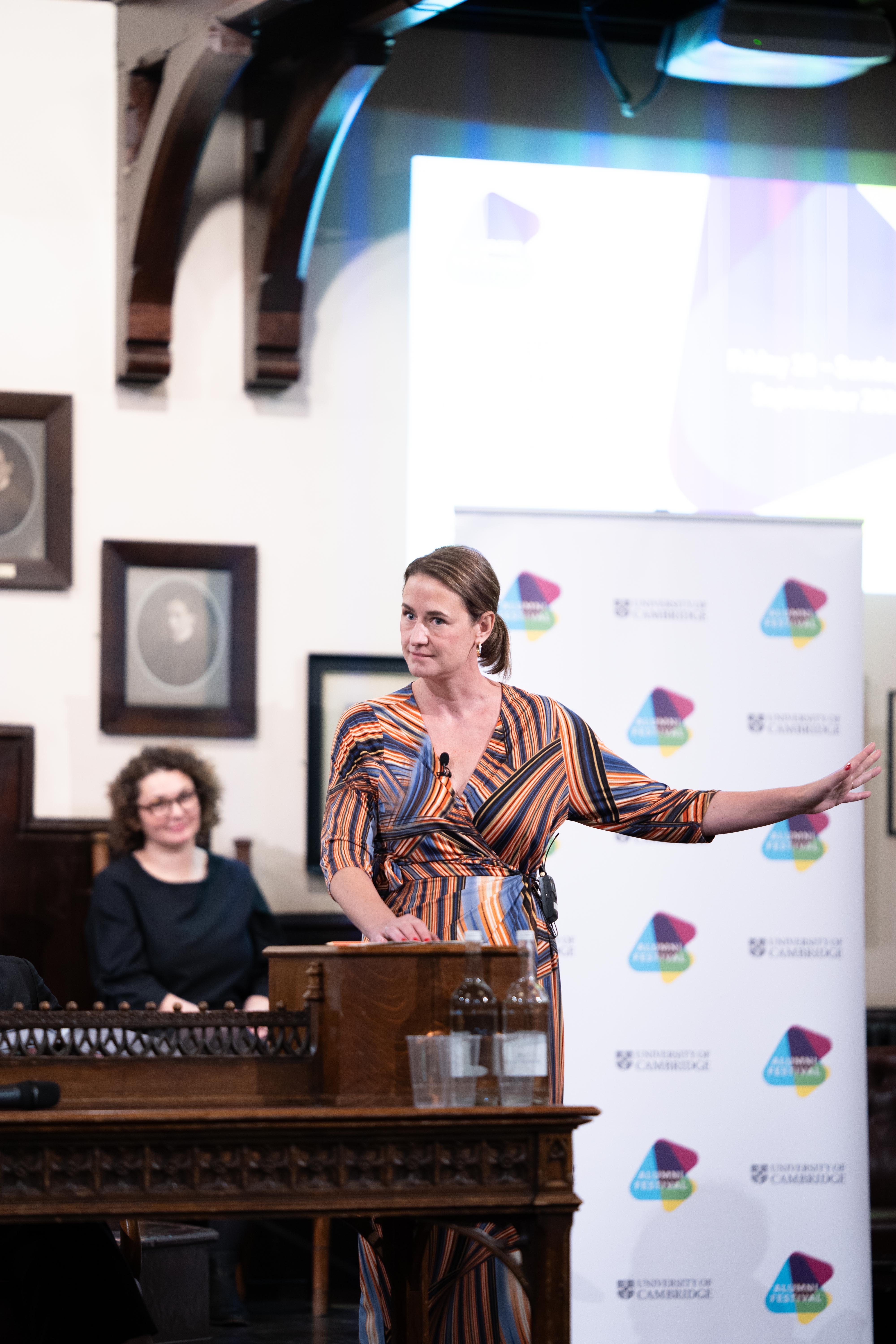
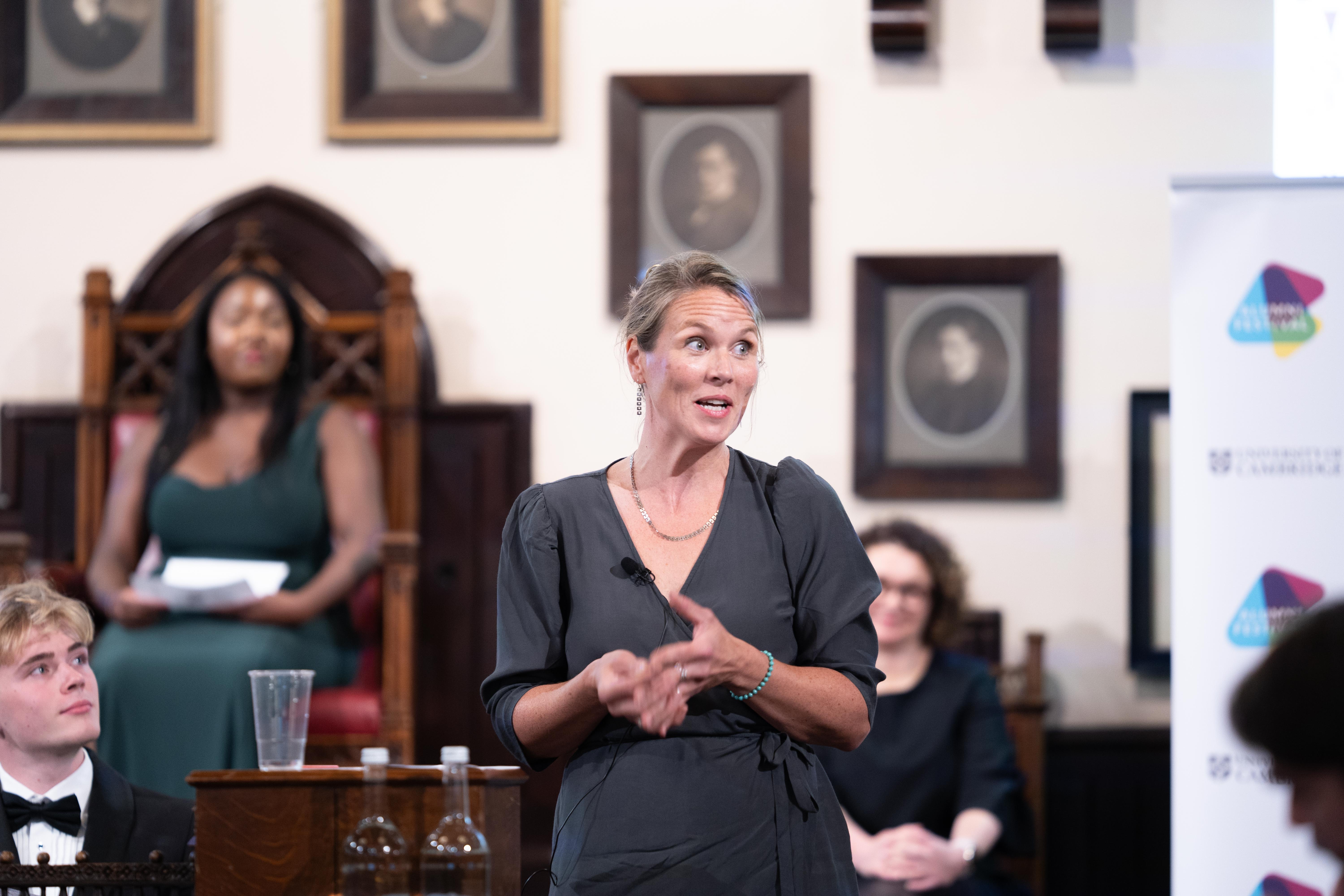
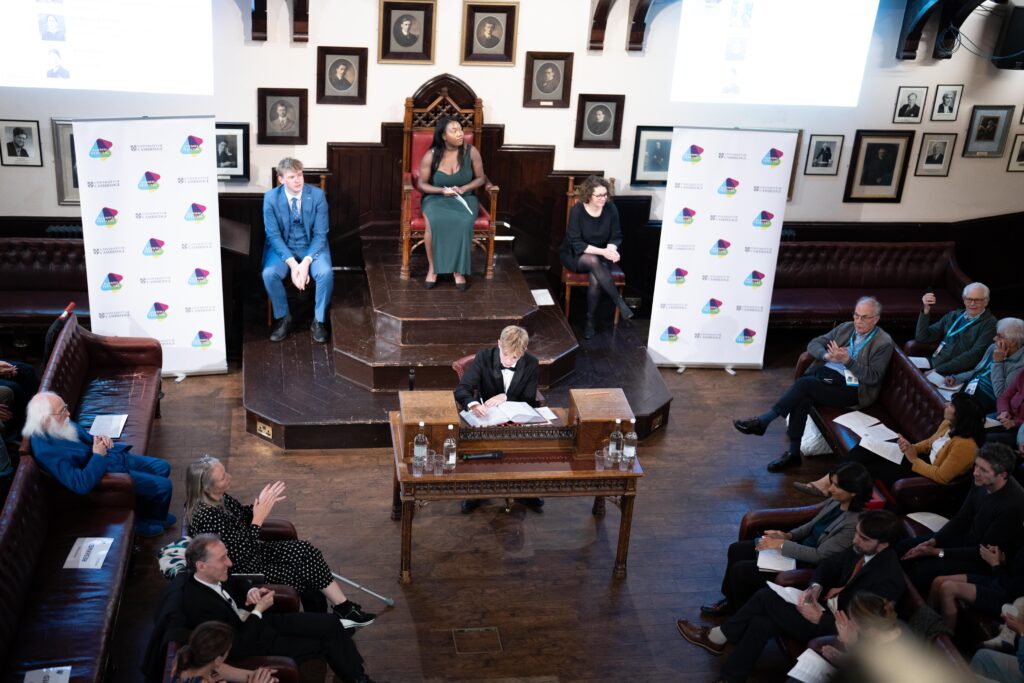
These were the questions posed as we hosted the inaugural Alumni Festival Debate at the historic Cambridge Union, on Saturday 27th September 2025. We were delighted to be joined by six stellar speakers:
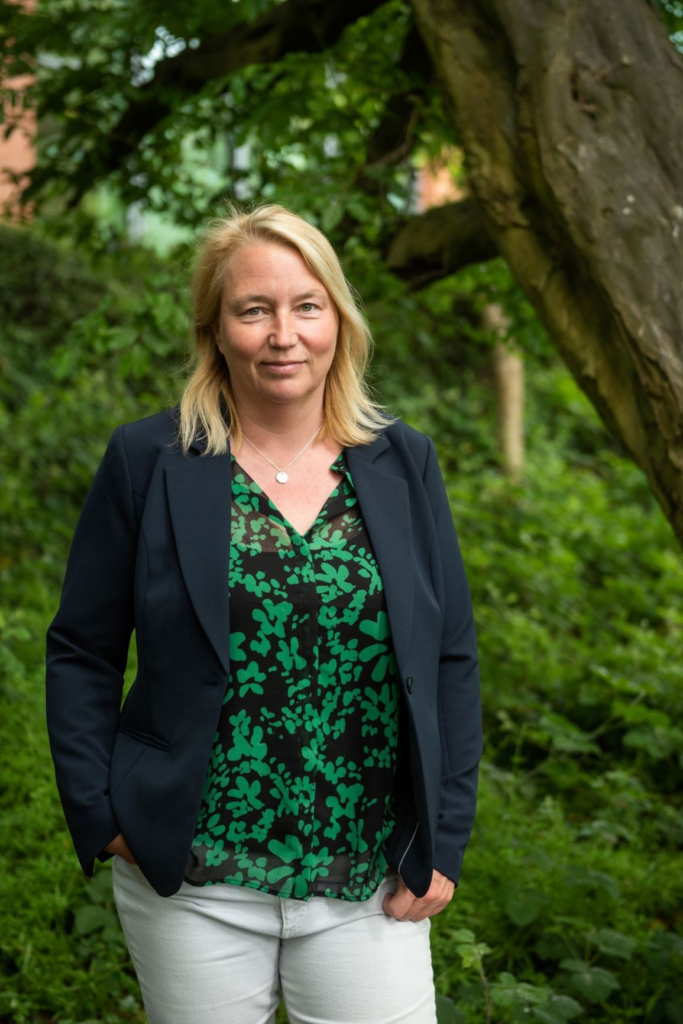
Professor Catherine Green
Catherine Green OBE is Professor of Clinical Biomanufacturing at the University of Oxford. She formed part of the team who developed the Oxford-AstraZeneca Covid-19 vaccine and speaks widely about her experiences of hard work and cutting-edge science in a race against the virus. Catherine is cell biologist and geneticist who primarily researches medicines manufacturing and creates vaccines for clinical trials. Her team have developed several novel vaccines for human trials for malaria, Ebola, TB, influenza, Zika, MERS, amongst others. Prior to this Catherine was an EU Marie Curie Fellow at the Institut Curie, Paris, where she studied DNA damage in human cells. She was a Cancer Research UK Research Fellow in the Department of Zoology, University of Cambridge, and worked at the University of Sussex exploring sunlight exposure damage to DNA.
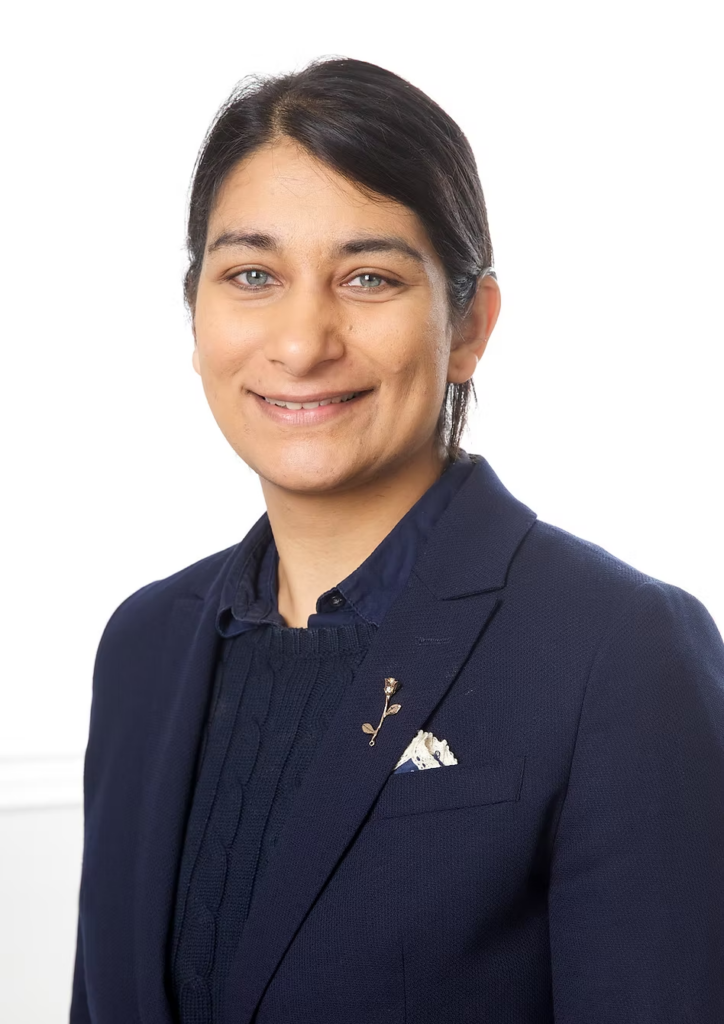
Reema Patel
Reema Patel is a thought-leader in the fields of technology, data and AI ethics, public engagement and participation, and diversity, equity and inclusion. She is an engaging speaker on subjects including technology ethics, diversity, AI-emerging tech, future of healthcare, among others. She presently leads Elgon Social Research, an inclusive research, design and practice agency. Reema has undertaken work at the cross-section of three fields- technology ethics, public engagement and diversity. She co-founded the Ada Lovelace Institute where she established its work on public engagement and participation. Before working at the Ada Lovelace Institute, Reema advised the Bank of England on their approach to public engagement and participation in economics, work that was endorsed by the Bank’s Chief Economist in an official speech entitled Climbing the Public Engagement Ladder.
Sarah Chaytor
Sarah is trustee and Vice President (Policy & Partnerships) at the British Science Association. In her day job, she is Director of Strategy & Policy and Joint Chief of Staff for UCL Research, Innovation and Global Engagement. She established and oversees the UCL Public Policy programme to strengthen connections between UCL’s research and public policymaking. Sarah also co-founded and is the Co-Chair and Director of Programmes of UPEN, the University Policy Engagement Network, where she is currently leading a £6m UKRI-funded project to strengthen connections between academia and policymaking. Sarah is a Visiting Professor of Practice at Newcastle University and a Co-Director of the Research on Research Institute CIC. From 2020-24 she led the £10 million Capabilities in Academic-Policy Engagement (CAPE) project and from 2023-24 was Principal Investigator of the International Public Policy Observatory. She previously held research policy roles at the Russell Group, the Wellcome Trust and Universities UK, and before that worked as a parliamentary researcher and for a think tank.

Professor Tim Lewens
Tim is Professor of the Philosophy of Science at the University of Cambridge, and a fellow of Clare College. Since January 2025 he has been Co-Editor-in-Chief of the “British Journal for the Philosophy of Science”. He is the author of six books, including “The Meaning of Science” (Penguin), a “Guardian” Book of the Year in 2015. From 2009 to 2015 he was a Council Member of the Nuffield Council on Bioethics, and served on the working parties for two Nuffield Council reports: “Novel Techniques for the Prevention of Mitochondrial DNA Disorders: An Ethical Review” (June 2012), and “Human Bodies: Donation for Medicine and Research” (October 2011). From 2014 to 2017 he was the Deputy Director of CRASSH, the Centre for Research in Arts, Social Sciences and Humanities.
Professor Linsey McGoey
Linsey McGoey is Professor of Sociology, with expertise in social theory and economic sociology. She is recognized internationally for playing a pioneering role in the establishment of ignorance studies, an interdisciplinary field focused on exploring how strategic ignorance and the will to ignore have underpinned economic exchange and political domination throughout history. Her research on ignorance has led to new conceptual frameworks for understanding the political value of ignorance and the unknown. She is also recognized for work on philanthropic foundations and their role in the global economy. Her work on new philanthropy movements links to her general focus on the role of power, ignorance and knowledge in contemporary society, with an emphasis on how corporate power and corporate domination affect well-being and inequality around the world. Her current research explores the relationship between economic and religious legitimation when it comes to wealth inequality within nations and globally both historically and today.
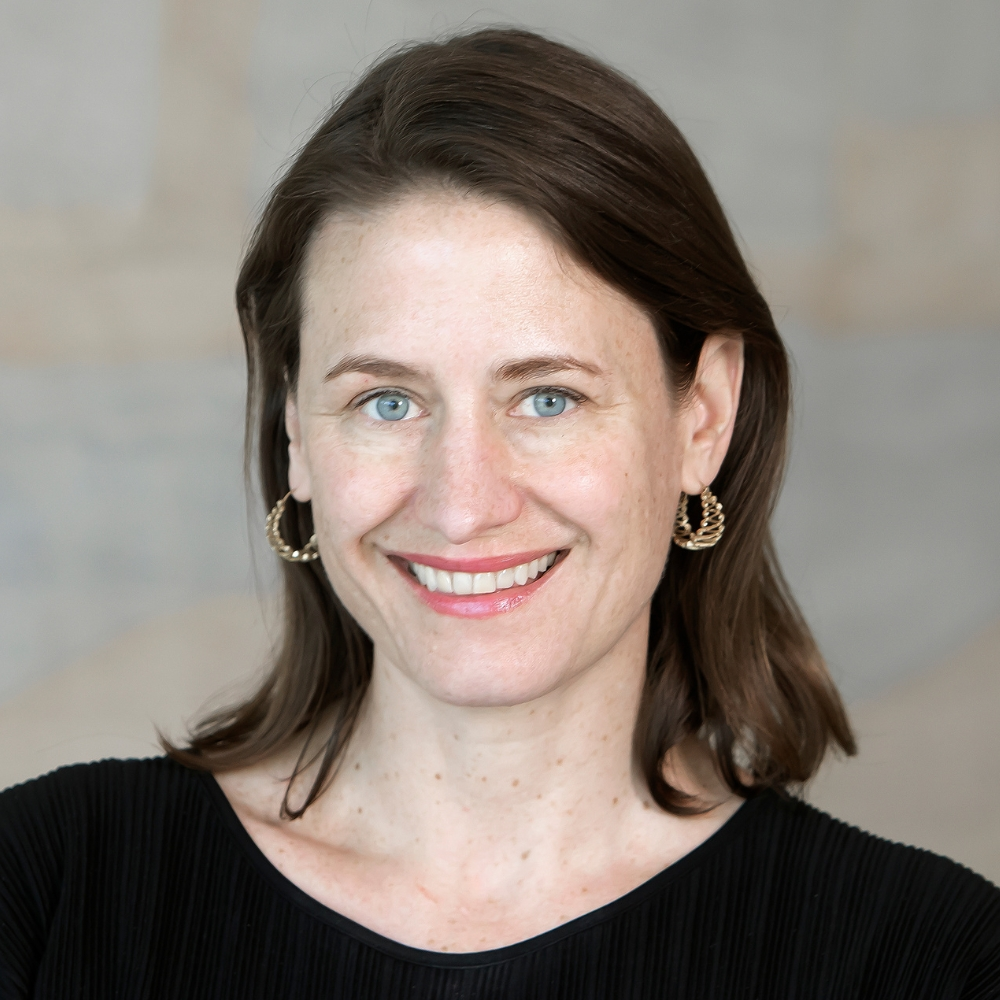
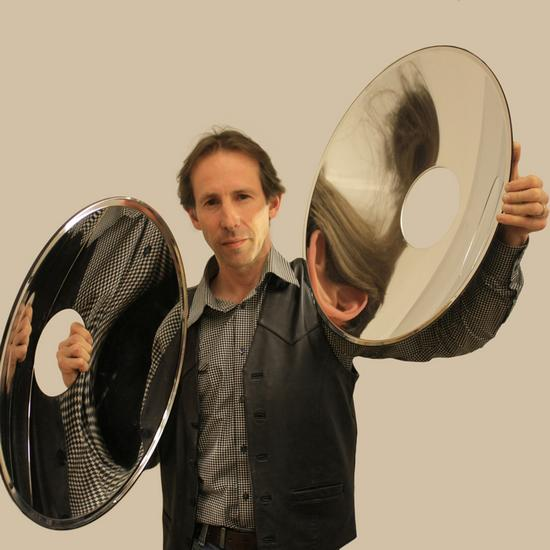
Professor Jeremy Baumberg
Jeremy Baumberg is a leader in nanoscience and nanotechnology, working for much of his career at the interface between academia and industry. He has led interdisciplinary nano-centres at the Universities of Cambridge and Southampton, and developed novel devices within Hitachi, IBM, his spin-offs Mesophotonics and Base4. He is widely recognised as a leading innovator in Nano, with most recent awards being the Institute of Physics Faraday Medal (2017), Royal Society Rumford Medal (2014), Institute of Physics Young Medal (2013), Royal Society Fellowship (2011) and Royal Society Mullard Prize (2005). He is an advisor for ARIA and the Chair of the EPSRC Council.
Watch the debate on The Cambridge Union‘s social media, when posted.
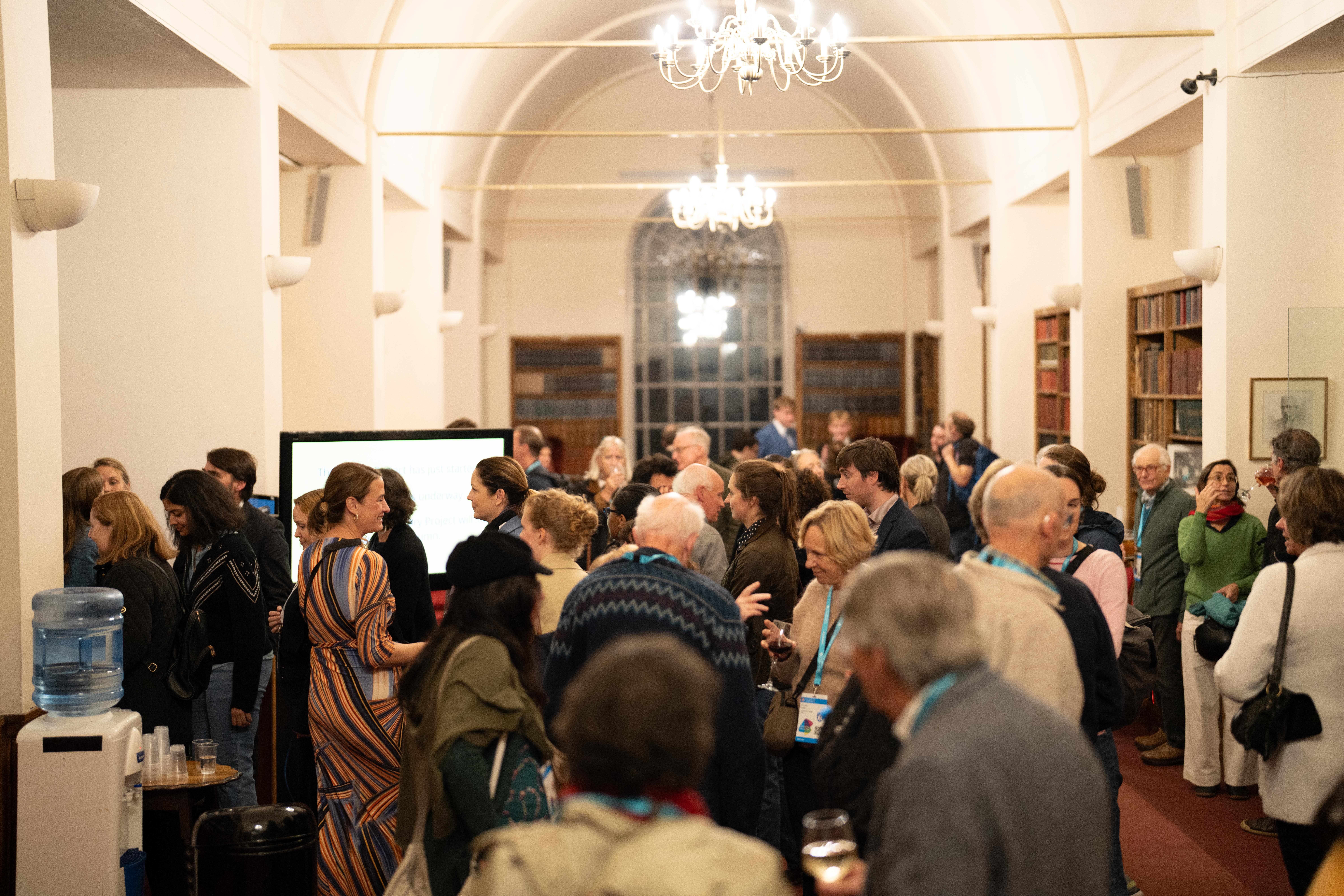
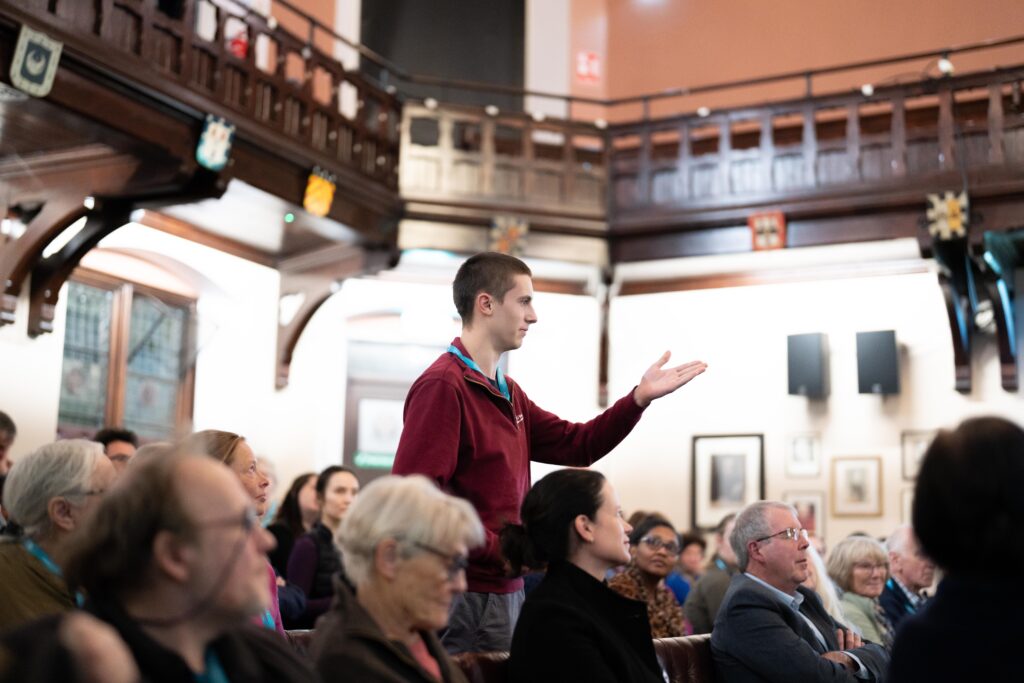
Many thanks to our photographer, Cambridge Chronicles, for capturing the event: